Equiano by Sea
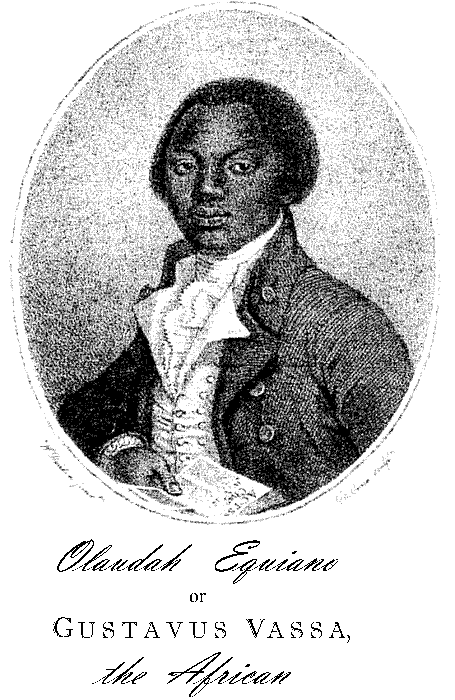
Olaudah Equiano, also known as Gustavas Vassa, lived from 1745 to 1797 and published one of the first abolition narratives advocating directly against the Trans-Atlantic Slave Trade in 1789. A number of projects -- such as Equiano's World have been conducted regarding Equiano's life, movement, and abolition work. Although Equiano is occassionally credited with publishing the first narrative directly critiquing the slave trade in English, his friend and fellow abolitionist, Ottobah Cugoano published Thoughts and Sentiments on the Evil and Wicked Traffic of the Commerce of the Human Species in 1787. This project intends to depict Equiano's maritime movement in relation to 18th century international slave ports, elucidating the near inescable economic culture of complicity instilled through the Trans-Atlantic Slave Trade.
How to Navigate Site
Feel free to browse in whatever beginning you choose! The map directly below the "Table of Contents" consists of all three following maps together, thus subsuming Equiano's movement in blue and 18th century slave ports in red. You're welcome to scroll through the maps, click on locations, and view the information that is be written there. All analsyses and synoposes regarding map locations are further listed on the website itself. Equiano's own travels are additionally chronologised to the best of my ability.
Please read Equiano's trajectory alongside other acts of resistance against the slave trade as his narrative relays a position unique to those traditionally trafficked through the middle passage. Rather than plantation work, Equiano was enslaved within the merchantry, and the 7 Years War further provided a paradoxical opportunity for Equiano to obtain an education and learn maritime navigation. African people trafficked to the Americas mainly worked on plantations, supplanting indigenous populations who similarly resisted their enslavement and murder. A number of revolts, revolutions, and rebellions occurred across numerous islands and countries Equiano himself visited, such as the First and Second Maroon Wars in Jamaica and the Haitian Revolution. Other revolts occurred on slave ships, such as the successful revolt aboard The Marlborough in 1752, which returned to the same port Equiano himself was likely trafficked out of in present-day Nigeria. Equiano's subsumption and eventual participation within the imperial core is reflected in his narrative and the audiences he attempts to persuade.
Table of Contents
Equiano's Childhood and Youth Enslavement
Following the Purchase of His Freedom
18th Century Slave Ports
Citations